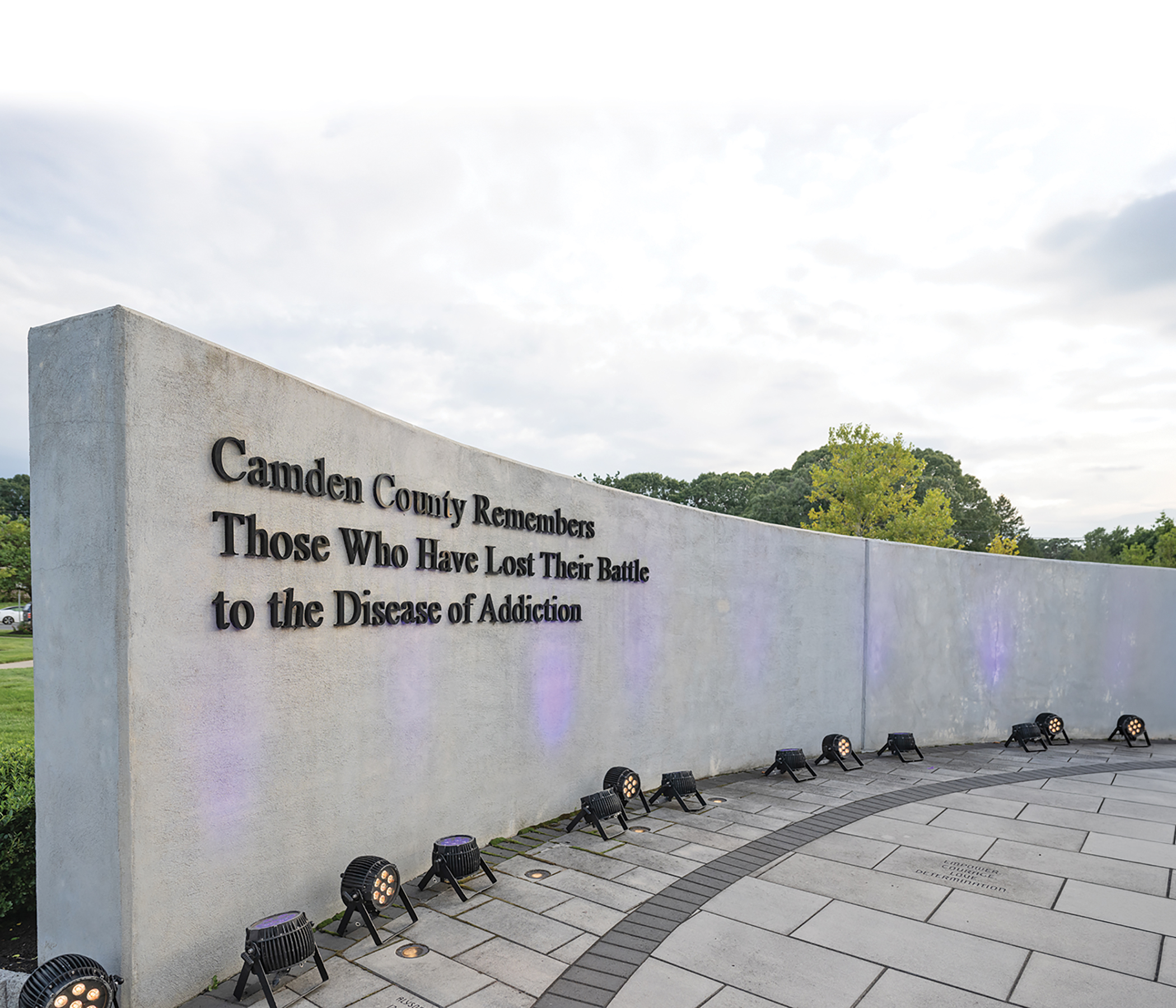




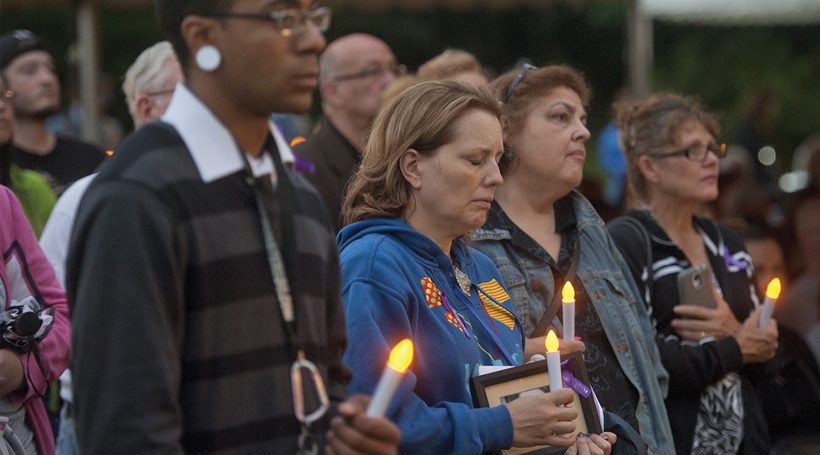
As communities everywhere struggled and suffered through the devastating toll of addiction, Camden County officials were already searching for ways to help. They had been for years.
Today, they have created, funded and implemented programs designed to reach people at their most critical moments. Their work, they will tell you, has been guided by one belief: Every life is worth saving.
When Lindsey Ferguson sought help for a substance use disorder at 21, people told her she was too young to have a serious problem. Ferguson knew otherwise. She had grown up watching her parents experience addiction and did not want to follow the same path.
The difference, she says, was that she had access to support, and her parents never did. In January, Ferguson celebrated 18 years of sobriety.
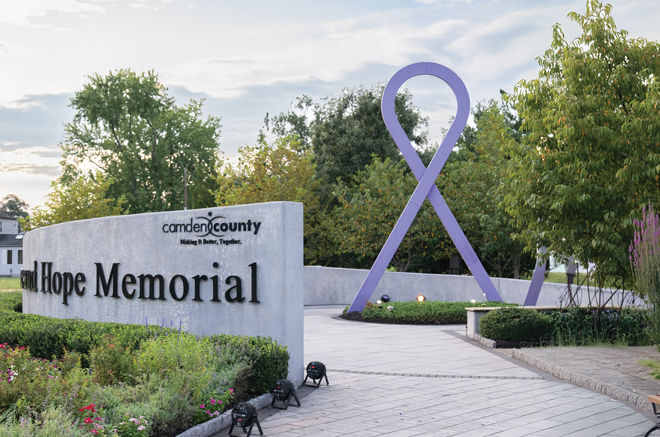 Her experience speaks to the core of the challenge Camden County has spent more than a decade trying to address: Help needs to be available when someone is ready for it, not after the moment has passed.
Since creating an addiction awareness task force in 2014, the county has added more places where residents can connect with care. Those connections now happen through police departments, municipal courts, emergency rooms, schools, community outreach and the county correctional facility.
“In this day and age, this epidemic has touched every neighborhood in Camden County,” says Louis Cappelli Jr., Camden County commissioner director. “Everybody, regardless of how successful they are, could be susceptible to this epidemic. Anyone could develop a substance use disorder or an addiction disorder. So the question is, how do we reduce the stigma, and how do we help? That’s what we’re trying to solve.”
The answer has become a network that stretches from prevention and overdose reversal to medication, housing assistance and long-term recovery support.
Building an opioid response
Camden County supported addiction prevention and treatment long before the opioid crisis became a defining public-health emergency. Through the 2000s and early 2010s, officials pursued state grants, contracted with local providers and coordinated Municipal Alliance prevention programs.
So when opioid overdoses began to rapidly rise, the county already had a foundation of support in place.
In 2014, the county established an Addiction Awareness Task Force. The group brought together law enforcement, health professionals, treatment providers, clergy, people in recovery and affected families. It gave county leaders a central place to gather advice and develop new approaches to prevention, treatment and overdose response.
The Camden County Police Department also began equipping officers with naloxone that year. Within several years, officers had reported hundreds of overdose reversals. Making naloxone part of their everyday equipment established a basic principle that would guide later programs: Before treatment or recovery can begin, someone must survive.
“For police today, having naloxone on their belt or in their car is no different than carrying their radio, handcuffs and firearm,” says Cappelli. “This is another tool they can use to save a life. I’ve spoken to officers who have deployed it more than 25 different times to protect the sanctity of life.”
Families who had struggled to find care also influenced the county’s response. Patty DiRenzo spent years seeking sustained treatment for her son Sal, who had an opioid use disorder. After Sal died of an overdose in 2010, she learned that people with him had been afraid to call 911 because they feared arrest.
DiRenzo joined other parents advocating for New Jersey’s Overdose Prevention Act, which offered limited legal protections to people seeking emergency help and expanded access to naloxone. She also pushed for police departments across Camden County to carry the medication.
In 2015, Camden County launched Operation SAL – Save A Life, named in connection with DiRenzo’s son. The program began by linking overdose survivors with withdrawal management and treatment. It later expanded to include residential care, temporary shelter, sober-living reimbursement, case management and recovery services.
What started as a post-overdose pilot became part of the county’s permanent addiction-services infrastructure.
Turning contact into care
By 2017, Camden County was looking for more chances to intervene before another overdose occurred. It combined its addiction and mental health work in the Office of Mental Health and Addiction, giving one agency responsibility for planning, funding and coordinating behavioral health services.
The county also received federal support for an opioid diversion program serving people involved in the justice system. The initiative represented an important change in direction: Contact with a court or jail could become an opportunity to enter treatment rather than leading only to punishment.
“The opioid epidemic is a public health crisis in our community and across the country,” says Jonathan Young, Camden County commissioner and liaison to the Department of Public Safety.
“This funding allows us to explore new ways to help those who are already struggling by providing services that will cut down on recidivism and save taxpayers money. We know many inmates come into our facility fighting against a dependency to opioids and now we can start taking a closer look on reentry and getting them the tools they need to be successful upon release.”
The county carried that approach into the Camden County Correctional Facility in 2018 with its medication for opioid use disorder program. The county also worked to continue care after release, when reduced opioid tolerance can put someone at especially high risk of a fatal overdose.
Project SAVE – Substance Abuse Visionary Effort – created another route to care. Modeled on a Gloucester Township program, the countywide effort placed addiction professionals in or alongside municipal courts. Defendants could be assessed and connected with services during the court process rather than being left to navigate the treatment system alone.
“We are looking at all options to make a long-term impact on this epidemic,” says Cappelli. “It is no secret that every municipality in the county is struggling with this crisis and the sooner we have the ability to get professionals intervening to stop it, the better off residents will be.”
Taking services into the community
As medication treatment and court diversion grew, Camden County expanded services outside traditional clinical settings.
 Certified Peer Recovery Specialists brought lived experience into overdose response, homeless services and continuing care. REAL Sports created sober recreational opportunities. County-funded services came to include outpatient and intensive outpatient treatment, medications, sober living, halfway houses and a 24-hour information line.
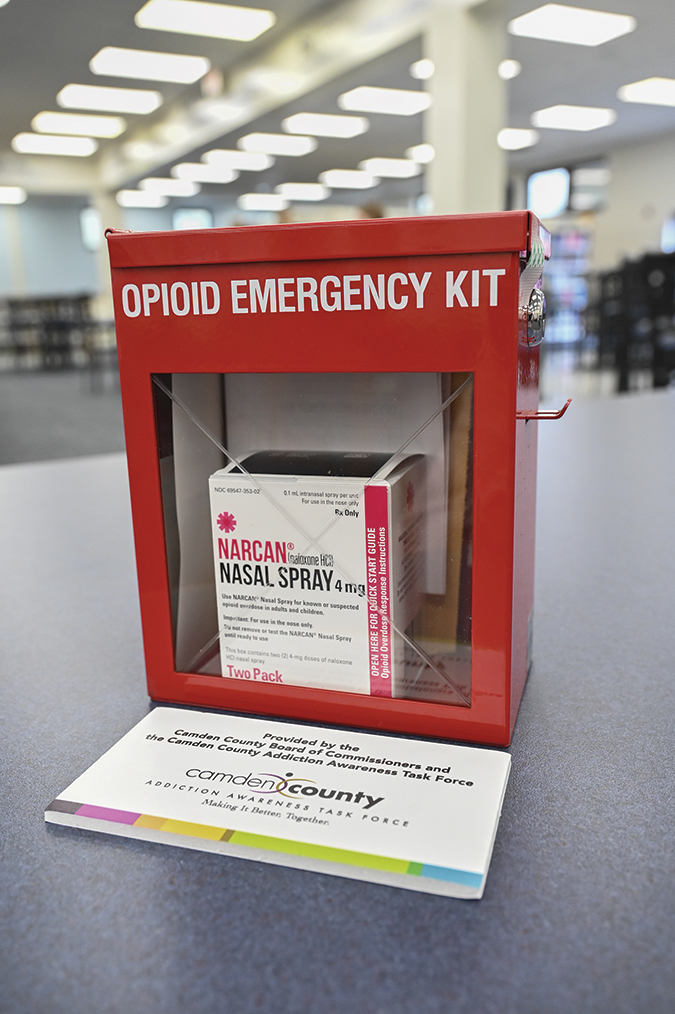
The county began purchasing fentanyl test strips in 2019 and expanded distribution through shelters and regional clinics the following year. Naloxone training and public access grew as well. NaloxBoxes eventually appeared in parks, schools, county buildings and social-service organizations.
These measures reflect a harm-reduction approach: Give people practical tools to lower their risk of death, even if they are not ready or able to stop using substances. Staying alive keeps the door to treatment open.
“First, remember that addiction is a chronic, relapsing disease,” says Rachel Haroz, MD, associate professor of emergency medicine at Cooper Medical School of Rowan University, division head of toxicology and addiction medicine, and medical director of Cooper’s Center for Healing. “That’s important because the way we approach it has to be the same way we approach diabetes or hypertension.”
The county also broadened its definition of who needs support. Healing After Loss to an Overdose serves families and young people grieving a death. An Overdose Fatality Review Team examines deaths to identify missed opportunities and changes that could prevent future overdoses.
A wider system built with settlement funds
National opioid-litigation settlements gave Camden County another source of funding. In 2022, the county established an Opioid Advisory Council to guide how its share would be spent. The money allowed the county to introduce new services without replacing the state-funded treatment network it had built over decades.
Settlement funds supported a mobile buprenorphine pilot, bringing medication treatment directly into the community. The county expanded post-overdose naloxone distribution, funded prevention in schools and trained school bus drivers to carry and administer naloxone.
In 2024, the Right Path Initiative brought the county’s diversion approach directly into policing. The program paired police responses with social services and real-time screening, giving officers another option when they encountered someone experiencing a substance-use crisis.
A county strategic plan organized settlement spending around prevention and education, early intervention, treatment, recovery support and data analysis. Annual contracts kept Project SAVE, Operation SAL and other substance-use disorder services running. The county also supported a peer-led recovery center and practical help with identification, expungement and reentry.
The result is not one program but a series of entry points. A resident might encounter prevention at school, receive naloxone during an overdose, begin medication in jail or an emergency room, enter treatment through municipal court and find peer support during recovery.
Signs of progress
There are indications that the broader strategy is working. Fatal overdoses in Camden County fell about 37% in 2024. The decline continued into early 2025, when deaths were nearly half the number recorded during the same period in each of the previous two years. Naloxone use also decreased, suggesting fewer overdoses required an emergency response.
For county officials, those results show the value of building several routes into treatment and recovery rather than expecting one program to solve the crisis. They also offer a reason to continue investing in the network.
“The progress that we have made over the past year in Camden County when it comes to overdose and addiction is incredible,” says Cappelli. “We have continually seen overdose deaths plummet, which just goes to show that all our investment into public health and harm reduction resources is paying off. But as always, we are not done yet. We will continue this fight until no life is lost to overdose ever again.”