




South Jersey has seen some things.
Dinosaurs? Check. An exiled king? Yep. Pirates, diving horses and the beginnings of one of the country’s most famous pageants? All right here. Turns out, the places we drive past every day have some pretty wild stories to tell. So consider this your South Jersey history lesson – minus the pop quiz.
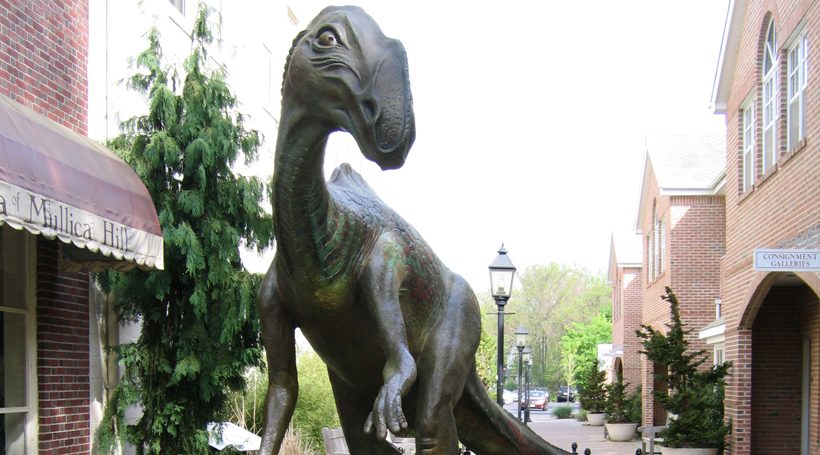
North America’s first nearly complete dinosaur skeleton was found in Haddonfield.
Long before jughandles and Shore traffic, dinosaurs were calling South Jersey home. In 1858, William Parker Foulke was vacationing in Haddonfield when he heard about enormous bones discovered years earlier in a local marl pit. He organized an excavation and unearthed the remains of what would become known as Hadrosaurus foulkii – North America’s first nearly complete dinosaur skeleton discovered virtually intact. Today, New Jersey’s official state dinosaur is still a hometown celebrity – complete with a life-size bronze statue in downtown Haddonfield.
 Blackbeard may have buried treasure in Burlington City.
 Blackbeard may have buried treasure in Burlington City.
The story goes that Blackbeard, the infamous pirate believed to be Edward Teach, sailed into the area in 1717 with gold, jewels and plenty of riches to hide. According to an old New Jersey witch’s tale, he buried the loot beneath a black walnut tree and killed one of his crew members so the man’s spirit could guard it forever.
Miss America started as a way to keep tourists in Atlantic City after Labor Day.
 Miss America started as a way
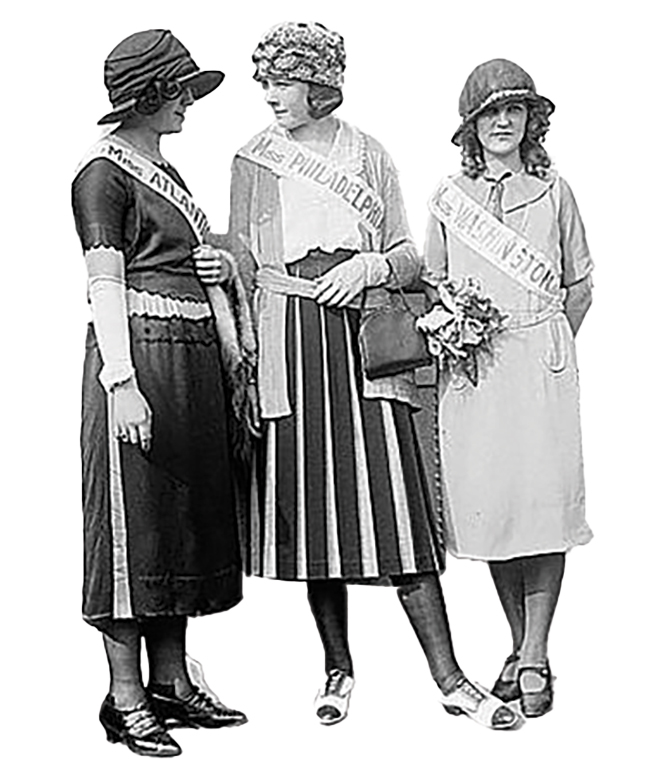
Apparently, extending Shore season has been a goal for more than 100 years. In 1921, Atlantic City businesses wanted summer tourists to stick around after Labor Day, so the city held a pageant on the Boardwalk. Sixteen-year-old Margaret Gorman of Washington, DC, won the title, and Miss America was born. What started as a tourism promotion quickly became one of the country’s most recognizable competitions.
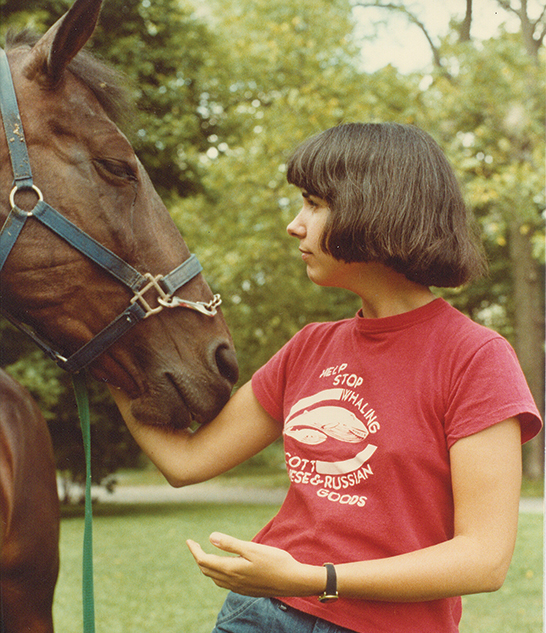
Cynthia Branigan with Gamal
Horses once dove 40 feet into a pool on the Atlantic City Steel Pier.
Atlantic City has never been subtle. Case in point: For nearly 50 years, one of the city’s biggest attractions featured a horse, a rider and a 40-foot plunge into a pool of water. The Steel Pier’s famous diving horses ran up a steep ramp and leapt into the water as crowds watched. One of the most famous riders, Sonora Webster Carter, was blinded during a 1931 dive and later inspired the Disney movie “Wild Hearts Can’t Be Broken.” By 1978, animal-rights opposition and declining tourism ended the show. Two years later, animal advocate Cynthia Branigan found the remaining horses headed to auction. She paid $2,600 for Gamal, the last surviving Steel Pier diving horse, who spent his final 9 years peacefully on a South Jersey farm.
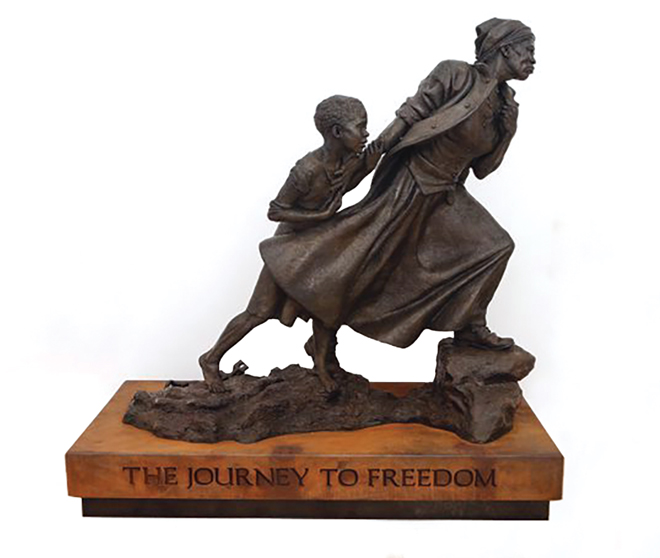
Harriet Tubman spent 3 summers in Cape May.
 Harriet Tubman spent 3 summers in Cape May.
From 1850 to 1852, the famed abolitionist, escaped slave and Civil War spy spent her summers there while helping others escape to freedom. Tubman worked as a cook in a Cape May hotel, earning money to fund rescue missions for enslaved people.
The first recorded mass murder in U.S. history happened in Camden.
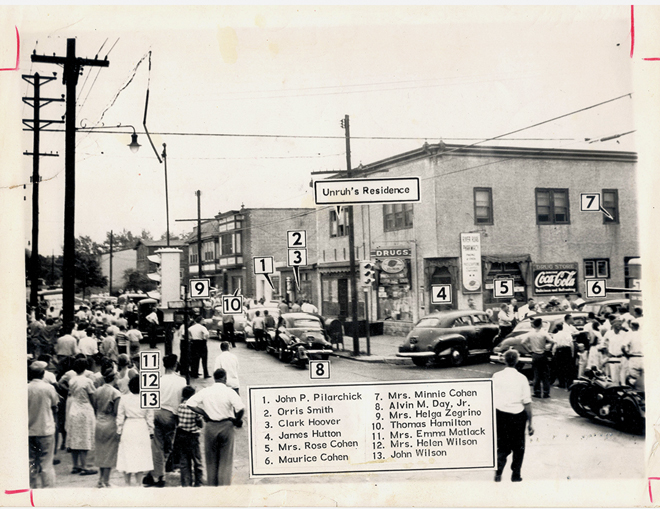 The first recorded mass murder in U.S. history happened in Camden.
On Sept. 6, 1949, 28-year-old Howard Unruh put on a brown suit, bow tie and combat boots, loaded his Luger pistol and walked into his Camden neighborhood. In just 12 minutes, he killed 13 people. The tragedy became known as the “Walk of Death” and is considered the first recorded mass murder in American history.
Napoleon Bonaparte’s brother built one of America’s grandest mansions in Bordentown.
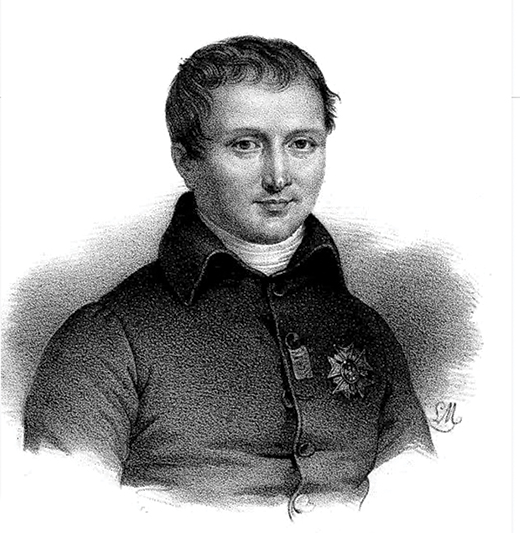 Napoleon Bonaparte’s brother built one of America’s grandest mansions in Bordentown.
Yes, that Napoleon. His older brother Joseph Bonaparte, the exiled King of Spain, settled in Bordentown and built Point Breeze, a sprawling estate overlooking the Delaware River. Aside from the White House, it was reportedly the largest manor house in America. He also seems to have been a pretty good neighbor, letting locals swim and ice skate on his lake.