






Karen Dong, MD
You’ve probably seen it: someone you know drops a lot of weight seemingly in a short time, and the guesses start – Ozempic? Wegovy? Zepbound? Maybe Mounjaro?
Few prescription drugs become household names, but these have – and they’ve opened the door to a new way of thinking about weight loss and health.
“A lot of people come to see me asking for the medication their friend is on,” says Karen Dong, MD, physician in the departments of Family Medicine and Comprehensive Weight Management at Jefferson Health New Jersey.
They’re all GLP-1s, medications that mimic gut hormones that regulate appetite and blood sugar. But just because you’re hearing these names everywhere doesn’t mean they’re all right for you and your health.
1. Ozempic vs Wegovy, Zepbound, Mounjaro
The names most people recognize – Ozempic and Wegovy from Novo Nordisk, and Mounjaro and Zepbound from Eli Lilly – get lumped together because they are very similar, but not exactly interchangeable.
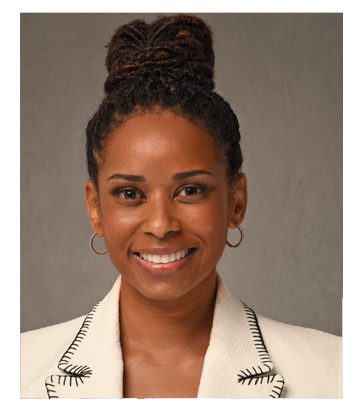
Sheri Gillis-Funderburk, MD
All 4 are once-weekly, self-injectable medications, but they’re approved for different conditions, says Sheri Gillis -Funderburk, MD, an endocrinologist at Capital Health Medical Center – Hopewell.
A lot of the mix-ups start with Ozempic and Wegovy, which are the same medication, just different dosing, says Gillis-Funderburk. Ozempic is for diabetes, but dramatic weight loss is a secondary effect. Wegovy is the weight-loss version designed for obesity treatment.
Mounjaro and Zepbound follow the same pattern. They work using a different hormone-mimicking ingredient than their counterparts but also come as a pair – Mounjaro is for diabetes, and Zepbound is for weight loss.
2. Deciding which one to use
Before writing a prescription, Dong looks at the bigger picture: why someone gained weight. Family history, hormone shifts, inflammation, sleep issues, medications and even body composition can play a role.
Some conditions respond beautifully to GLP-1s. Others need attention first so a patient isn’t fighting an uphill battle. Often, it takes experimenting to find the right fit.
“It can take a little trial and error to see which one works best for someone,” says Gillis- Funderburk. “About 10 to 15 percent of my patients simply can’t tolerate the medication. And some people actually gain weight on them.”
But when the match is right, and the dosing is on target, the results can be dramatic.
“I’ve seen patients lose 50, 100 pounds,” she says.
Still, reaching those higher doses isn’t guaranteed. The injections are increased slowly, and GI side effects – nausea, vomiting, constipation – are the biggest reason some people stop before they get there.
And even when the medical path is clear, the practical one may not be. Insurance coverage often dictates the final choice. Plans vary widely, and drugs that seem nearly identical on paper can be covered – or denied – for reasons that don’t always seem to make medical sense, says Gillis-Funderburk. Even with discount programs, people can pay $300 to $500 out-of-pocket a month.
3. Is microdosing a thing?
In short, yes – but not in the way people think.
When influencers talk about microdosing GLP-1s, they’re usually describing taking tiny doses or stretching a weekly shot to make it last longer – claiming it can ease side effects, provide “gentler” appetite control or create a cost-savings hack.
It sounds harmless, but both physicians say it’s risky. These medications have minimum effective doses – too little won’t work, and stretching doses can bring side effects without the benefits. If a dose needs adjustments, they stress, it should happen with a doctor.
Dong says the trend took off when early demand for GLP-1s outpaced supply. Compounding pharmacies filled the gap with customized versions, often sold through med spas or online clinics. They still require a prescription, but they’re not held to the same manufacturing standards as FDA-approved medications, and strength can vary.
She sees the fallout regularly: patients who tried microdosing on their own and wound up sick from overly strong doses of compounded products that weren’t what they claimed.
“The med spas and online wellness clinics are our best referral sources,” she says. “It’s really the wild west.”
4. Weight loss is the least of it… maybe
The benefits of GLP-1 medications stretch far beyond weight loss. As weight and blood sugar come under control, Dong sees related conditions start to improve – PCOS, inflammation, insulin resistance and even the hormone swings of perimenopause.
“People feel like they get their vitality back,” says Dong.
Some of these benefits are now officially recognized. Zepbound was recently approved for sleep apnea and Wegovy for reducing cardiovascular risk.
And research is moving fast. Studies are underway testing GLP-1s for fatty liver disease progression, cardiovascular protection, addiction and even Alzheimer’s. Both doctors say it’s far too early to call them a miracle drug. But the early findings help explain why so much research funding is pouring into this field.
What’s clearer is that more options are coming. Pill versions and longer-acting injections are in development, which may help people squeamish about needles. Dong says she hopes expanding choices will bring down costs.
“A large portion of our population is overweight or obese,” she says, “and the hope is that more medications on the market will make these options accessible.”