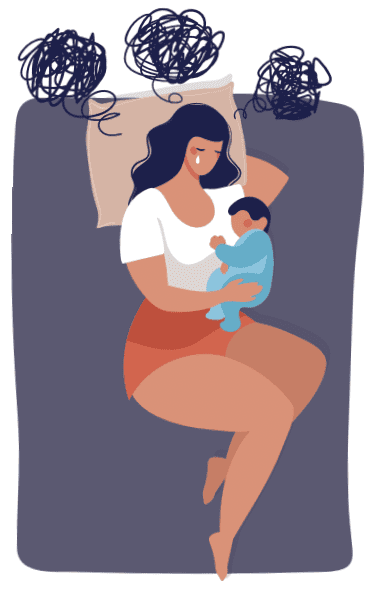




Pregnancy gets the tracking apps, the weekly milestones and the fruit-size comparisons. Postpartum gets far less fanfare. The baby is here. And meanwhile, the mother’s body may still be bleeding, cramping, leaking shedding and trying to recover on almost no sleep. Here’s what docs need new moms to know.
Six weeks is not a finish line
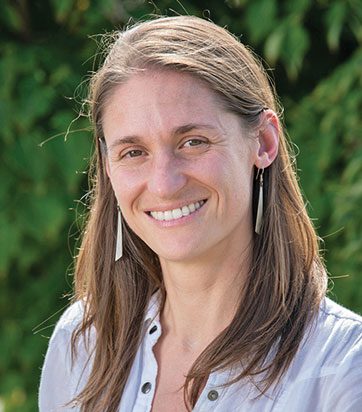
Waverly Lutz, CNM
When a woman leaves the hospital after delivery, she’s given a list of warning signs and a date for a follow-up visit. What she’s not always given is a clear sense of what recovery should feel like day to day.
That follow-up appointment typically happens around 6 weeks. It’s meant to assess healing, check bleeding and screen for mood changes, not to signal that recovery is complete, says Waverly Lutz, a certified nurse midwife with Inspira Health.
“The postpartum period is almost a full-year experience,” Lutz says. “Your body, your mind, your life – they’re all still adjusting.”
She encourages patients to pay attention to symptoms like bleeding that doesn’t taper, pain that makes it hard to move through daily life or fatigue that feels out of proportion to the realities of birth and caring for a newborn.
“A lot of people will say, ‘You’re tired. You have a newborn. This is what we expect,’” she says. “But it’s not normal.”
Common postpartum symptoms – and what to do about them
Urine leakage after birth is common. For years, many women were told to live with it, but that’s changing.
“About 20% of women do get a little incontinence,” says Wendy Martinez, MD an OB/GYN and founder of Advocare The Women’s Group For OB/GYN. “But we have physical therapy for the pelvic floor dysfunction.”
Pain with sex is another symptom women often wait out unnecessarily. “When you have low estrogen postpartum, that’s why sex hurts,” Martinez says.

Wendy Martinez, MD
After delivery, and especially while breastfeeding, estrogen levels drop, which can lead to vaginal dryness and more sensitive tissue. She recommends starting with over-the-counter options like vaginal moisturizers or lubricants and, if symptoms persist, asking about prescription treatments.
And then there’s thinning hair. Postpartum shedding is common, but it often takes women off guard, showing up as more hair than usual on the brush, in the shower drain or gathered at the hairline.
“There really isn’t anything that’s going to bring it back right away,” Martinez says. “It’s something that improves over time.”
She tells patients to focus less on stopping the shedding and more on supporting regrowth – including gentle care and nutrition.
Postpartum mental health is bigger than “baby blues”
Postpartum mental health issues don’t always seem like sadness. They can show up as constant anxiety, racing thoughts, irritability or not being able to sleep even when the baby is sleeping. For some women, Lutz says, it can be bursts of anger out of proportion to a situation.
Martinez says what matters most isn’t whether a symptom fits a label, but whether it’s interfering with life. “If it’s constant, if the thoughts feel intrusive, if your reactions feel out of proportion – that’s when we want to hear from you,” she says.
In more severe cases, Martinez adds, patients may describe thoughts that alarm them. “This is a very extreme sadness,” she says. “Patients will come in and say, ‘I feel like I’m going to hurt the baby.’”
Sometimes mental distress can also have a physical cause. Martinez says she sees cases of postpartum thyroiditis, an inflammation of the thyroid that can show up as rapid weight loss, anxiety or a racing heart and is often overlooked.
Some symptoms don’t wait for your follow-up visit
By the time women leave the hospital, many assume the highest-risk part is over. It’s not always.
Some symptoms can show up in ways that are easy to second-guess: a persistent headache that doesn’t respond to rest, vision changes, shortness of breath that feels new or swelling that’s getting worse instead of better. “These are all warning signs,” Martinez says.
They can point to conditions like postpartum preeclampsia – a blood pressure disorder that can develop after delivery – or blood clots, which are more likely in the weeks following pregnancy. In rare cases, it can progress to eclampsia, which involves seizures and requires emergency care.
What makes these symptoms easy to miss, she says, is that they don’t always feel dramatic at first.
“They think it’s just part of being tired,” she says. “But it’s not. If you’re having these symptoms, that’s a reason to call.”