



It’s something most people have never heard of, but human composting has arrived in New Jersey, making environmental activists very happy. Here are 4 things to know about this new option for when someone dies.
1. Yes, it’s what it sounds like.
Human composting is an alternative to a traditional burial or cremation. It’s also called natural organic reduction and involves allowing the body to break down into nutrient-rich soil. For years, people have been able to send a loved one’s body out of state to have the composting completed, so while there haven’t been huge amounts of people having the service, it isn’t new.
Human composting is part of the green burial movement, which promotes options for a body that don’t harm the earth. In South Jersey, several cemeteries have joined the green burial movement by offering natural burial grounds, where remains are placed into the ground with no embalming and without a casket.
2. It’s now legal here.
New Jersey is the 14th state to pass legislation to allow human composting, and the bill had bi-partisan support (Senate: 37-2; House: 79-1). While the law was signed in September, it won’t go into effect until next July. The state will regulate the practice, and companies that offer the service will need to register annually and pass an inspection by the NJ Department of Environmental Protection. The law also states that a mortuary scientist or funeral director must supervise the process. The New Jersey Funeral Directors Association collaborated with lawmakers to develop the legislation.
3. How it’s done.
The transformation takes about 3 to 5 weeks. The body is placed in a closed, reusable vessel with things like wildflowers, wood chips, alfalfa and straw. The vessel is rotated to promote aeration and quicken the composting process. Micro-organisms break down the body, transforming it to soil.
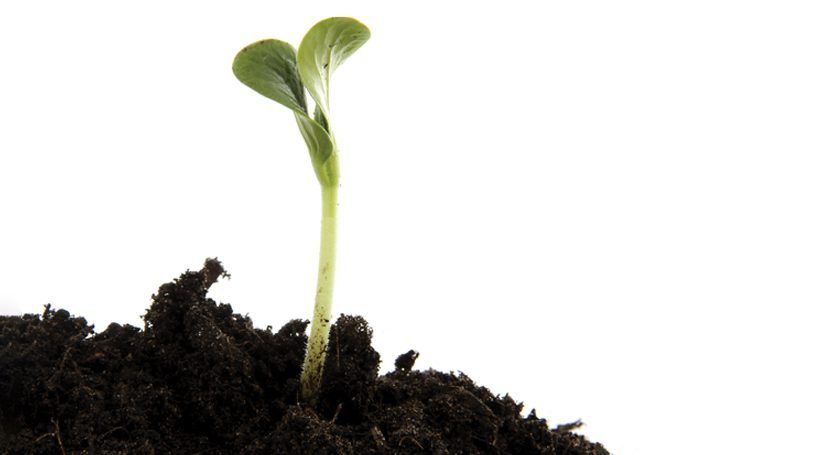
About 1 cubic meter of soil, which can be used the same way you use any soil, is created and delivered to loved ones. Some families have found it meaningful to use the soil to plant a tree or spread throughout a garden.
While most people are eligible for human composting, some are not because of health risks to the public. That includes people who have been embalmed, or who died with a highly contagious disease like ebola.
4. Eco-friendly benefits
Proponents of human composting say the process has many environmental benefits, noting that it requires less land, does not require toxic chemicals (like embalming fluid) and releases less carbon into the atmosphere. Some consider human composting as your body coming full circle, where the body becomes one with the Earth again.