

Inspira Health: Whole-Person Care
The path to better health is rarely a straight line. For many residents, the barriers that stand between them and wellness have more to do with transportation, food access, housing stability and economic pressure than specific diagnoses or treatments. At Inspira Health, leaders are leaning into that reality – building a model of care that focuses on the whole person – and life’s circumstances.
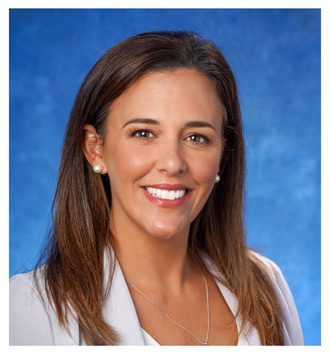
April Venable, Senior Vice President and Chief Strategy Officer at Inspira.
“Expecting someone to follow a clinical treatment plan when they don’t have consistent access to food, water, transportation or shelter just isn’t realistic,” says April Venable, Senior Vice President and Chief Strategy Officer at Inspira. “We have to look at individuals as whole people and consider all the factors that impact their health.”
We have to look at individuals as whole people and consider all the factors that impact their health. – April Venable
That philosophy now drives a growing portfolio of community impact programs designed to address the social drivers of health across Cumberland, Gloucester and Salem counties.
“The guiding star for us is our Community Health Needs Assessment,” she says. “It’s a series of surveys, focus groups and interviews with community leaders, residents and organizations that help identify the priority needs in a specific community.”
“The most recent findings were clear, and consistent with statewide trends,” she adds. “A top issue in our 2025 – 2027 assessment involved affordability and accessibility to care alongside chronic illness.”
From there, Inspira translates data into action through its Community Health Implementation Plan.
“We’re developing programs to address barriers to good health that are rooted in a person’s social environment,” says Venable.
One of the earliest and most impactful responses was the launch of the community health worker (CHW) program, designed to meet patients where they are – literally and figuratively.
“These workers assist with real-life issues that get in the way of being healthy,” she says. “That can be transportation, childcare, or access to healthy food. Our CHWs establish trust and work to identify an individual’s personal goals. These goals can be motivating, and we can help put the steps in place to ensure their success. We don’t just hand you a list of healthy foods, we connect you to appropriate resources to obtain them.”
The service is embedded throughout the health system – and notably, free to patients.
As the CHW program expanded, another need surfaced repeatedly: reliable access to healthy food.
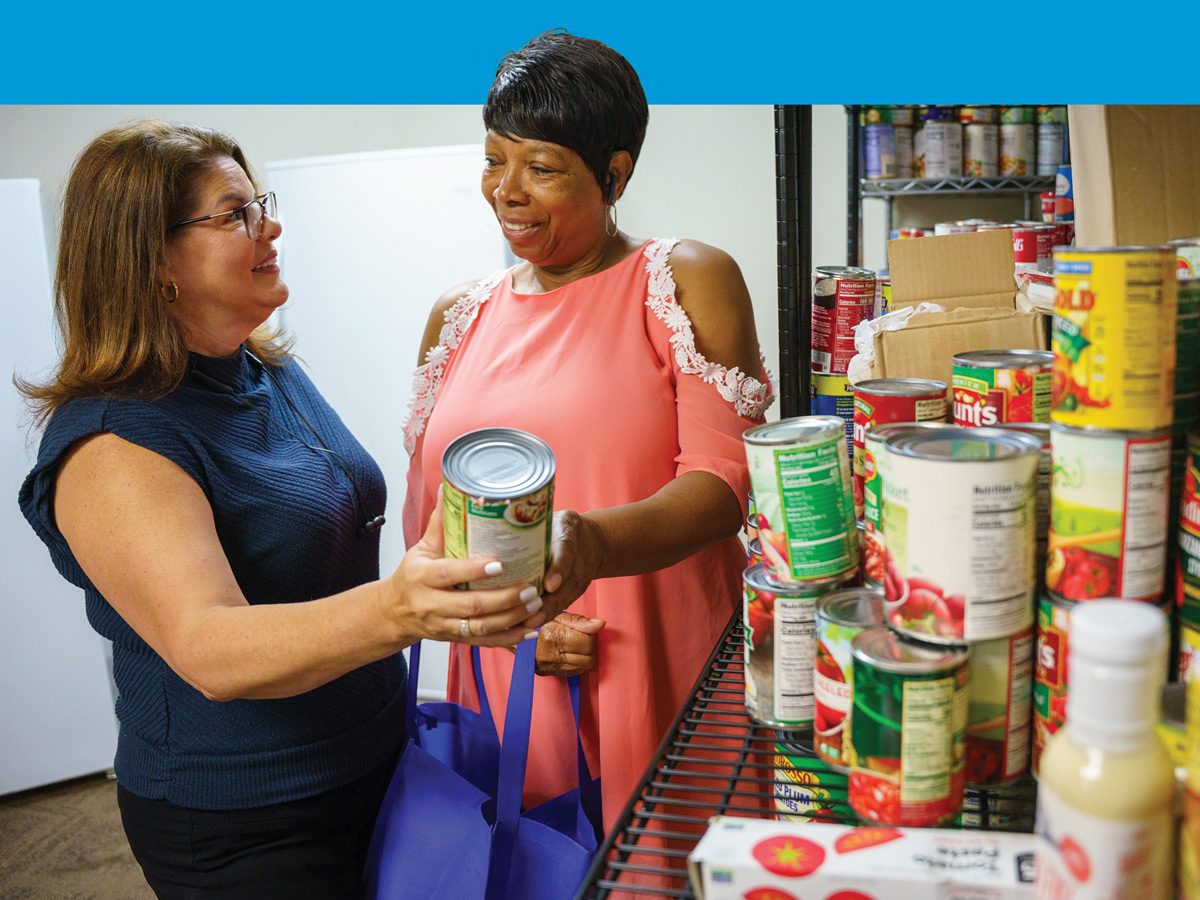
“We also have two Food Farmacies – and that’s pharmacy with an ‘F,’” she says. “Community members told us it’s difficult for them to eat a healthy diet. That can be driven by poverty, lack of transportation and food deserts. In some communities, you may only have access to processed foods.”
To meet that need, Inspira partnered with the Food Bank of South Jersey and the Community FoodBank of New Jersey, establishing locations in Bridgeton and Woodbury as well as one to come in Salem County.
“This is also another referral pathway – if a screening in a primary care office shows you’re having trouble accessing food, you can get connected,” she says. “The program allows you to shop in our Farmacy, and we also have a partnership with DoorDash to deliver food if you can’t get there.”
Over time, it became clear that many people arriving for food support also had overlapping needs. This led to a strategic integration.
“The food pharmacies are now staffed by community health workers because so many of our patients have more than one social need,” she says. The results have been striking. “In 2025, we connected 510 people to resources, which was 57.4% higher than the prior year. Food Farmacy numbers are even bigger – we provided food to 6,000 individuals in 2025, which was more than 150% higher than in 2024.”
Even with growth, Venable is candid about the limits of these programs across a largely rural service area. That reality drove a parallel investment in technology.
“We invested in a tool called Find Help,” she says. “It’s an online platform that helps Inspira connect people with community organizations that offer resources across many areas of need.”
The platform is intentionally easy to access.
“We implemented two different portals – one public-facing and one for our staff,” she says. “We also have a card we hand out. It has a QR code; you can scan it, enter your ZIP code, select what you need, and it will populate a list of resources available in your area. We had more than 8,400 searches last year. Affordability and inflation are impacting everybody.”
Next on the roadmap is measuring follow-through and outcomes.
“Closing the loop is what we’re working on next – being able to confirm whether the patient or resident actually accessed services,” she says. “This data will enable us to demonstrate value and advocate for making this a reimbursable service.”
Meanwhile, philanthropy and grant funding continue to fuel expansion. Still, Inspira is resisting a one-size-fits-all rollout.
“A stationary food pharmacy may not be the best fit for every community – maybe we need something more mobile,” she says. “We’re evaluating whether our standard model makes sense everywhere or if we should do something different.”
On the ground, staff are also refining the patient experience in small but meaningful ways.
“Using some of our grant funds, the team bought little shopping carts so kids can walk around with their own cart and help pick out food,” says Venable. “It’s a small touch, but it really engages families.”
The true impact of the work, however, is best measured in individual stories.
“A woman came into the Food Farmacy and, during conversation with the community health worker, shared that she had been sleeping in her car with her two kids and hadn’t seen a doctor in years,” says Venable. “The community health worker spent several weeks helping her apply for housing support, connected her with a women’s health provider and got her to her first-ever mammogram. Fast forward to today: she’s in a transitional housing program, her kids are enrolled in school, and she says she feels like she can finally breathe again.”
For clinicians, the shift toward whole-person care is equally meaningful.
“Caregivers feel less powerless,” she says. “A doctor might say, ‘I’m trained to treat your diabetes, but I don’t know what to do about your housing insecurity.’ That’s the whole point of team-based care. This community health worker is embraced as part of the care team to help patients succeed.”
 inspirahealth.org
1-800-INSPIRA (800-467-7472)