


Hope looks different now
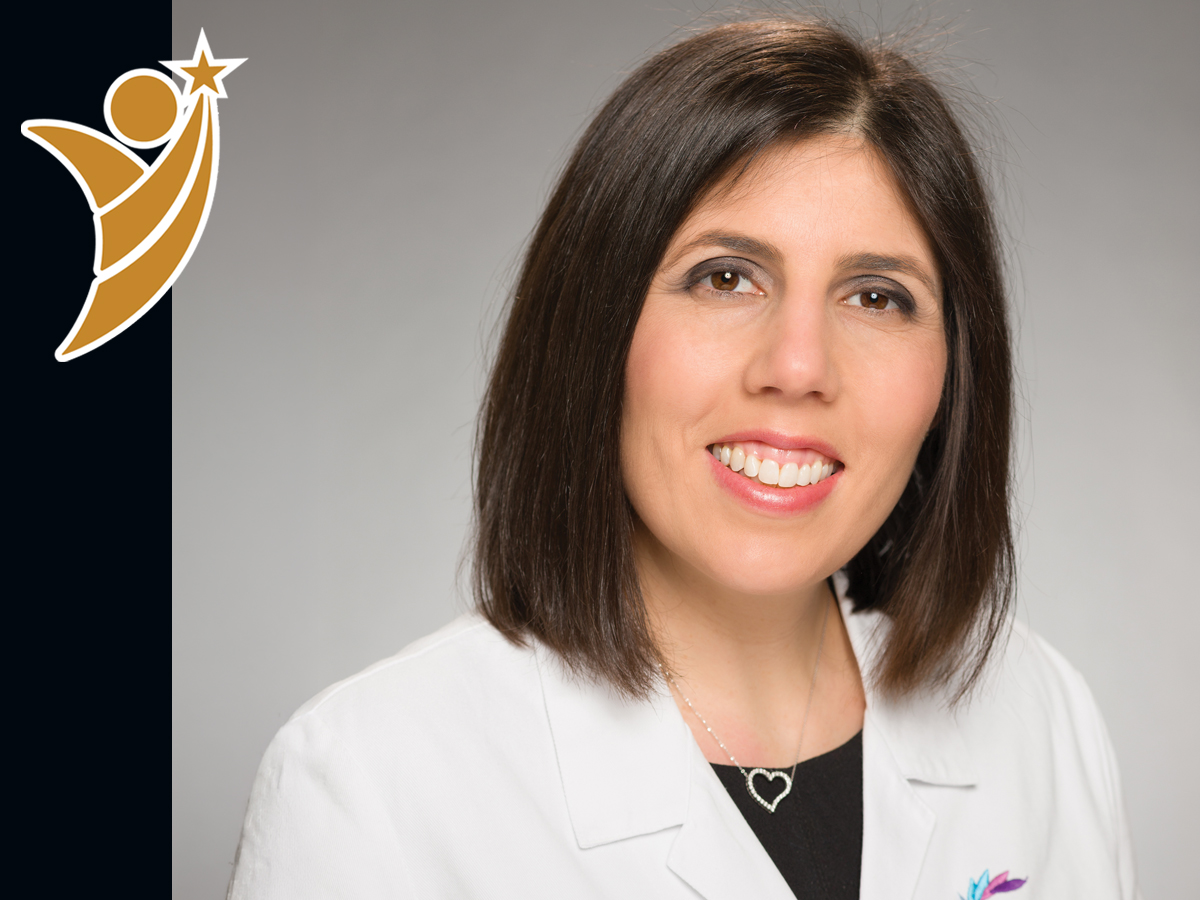
Rachel Levenbach, MD
“In the past, we treated everybody more or less the same way and hoped the cancer wouldn’t return. Now we can often identify…which therapies may work better for one patient versus another.”
When Rachel Levenbach, MD, entered oncology more than a decade ago, immunotherapy was just moving from clinical trials into standard treatment for a small number of cancers.
Tumor profiling was so new that patients sometimes paid thousands of dollars for genetic sequencing that might not even provide answers.
Today, both have become standard parts of cancer care.
In her decade-plus career at Regional Cancer Care Associates, Dr. Levenbach has treated patients through a period when increasingly personalized therapies give many patients more options – and, in many cases, more reason for hope.
“In the past, we treated everybody more or less the same way and hoped the cancer wouldn’t return,” she says. “Now we can often identify who may need longer treatment, who may safely stop therapy sooner, and which therapies may work better for one patient versus another.”
Some patients, Dr. Levenbach says, have benefitted from treatments that didn’t exist when their cancer journey began.
“So many are living significantly longer,” she says. “Some are even being cured with therapies we wouldn’t have had access to before.”
Keeping up with those advances means regularly collaborating with surgeons, radiation oncologists and other specialists to review cases and discuss evolving treatment approaches.
For Dr. Levenbach, though, the relationships with patients remain one of the most rewarding parts of oncology.
“You really get to know your patients. They become like family.”
Such relationships often extend beyond the exam room. Dr. Levenbach sees patients and their families around town, at soccer practice and through the overlapping circles of South Jersey life.
“I’ll walk into the room and before we even start talking about treatment, patients are asking about my kids or how my day is going,” she says. “Then I have to remind them, ‘Wait, this appointment is about you.’”
Her patients often spend months or years with her, navigating complicated decisions and deeply personal moments together.
“Patients will tell me, ‘I trust you. Whatever you tell me, I’m going to believe this is the right thing to do,’” she says. “That relationship really matters.”
Treatment decisions are never made in isolation from the rest of a patient’s life, Dr. Levenbach adds. Recently, a patient in her 90s came to the difficult decision to not seek additional treatment. Instead of focusing on the next therapy, the conversation became about preserving quality of life and honoring what mattered most to her patient.
“There’s the science of medicine, but there’s also the art of medicine,” Dr. Levenbach says. “You have to know your patient, not just their cancer.”
That philosophy also shapes what she values about RCCA. The multistate oncology network gives physicians access to a larger network of specialists and shared expertise, while care still happens within the communities where patients live their everyday lives, she says.
“The treatments have changed tremendously,” she says. “But at the end of the day, the most important thing is knowing who you’re treating.”
• Integrative Care • Palliative Care
• Hematology • Chemotherapy
• Immunotherapy • Infusion Therapy
• Targeted Therapy • Hormone Therapy
Regional Cancer Care Associates
Samson Cancer Center
350 Young Avenue, Suite 200
Moorestown
609-702-1900
regionalcancercare.org