

Helping patients look and feel their best
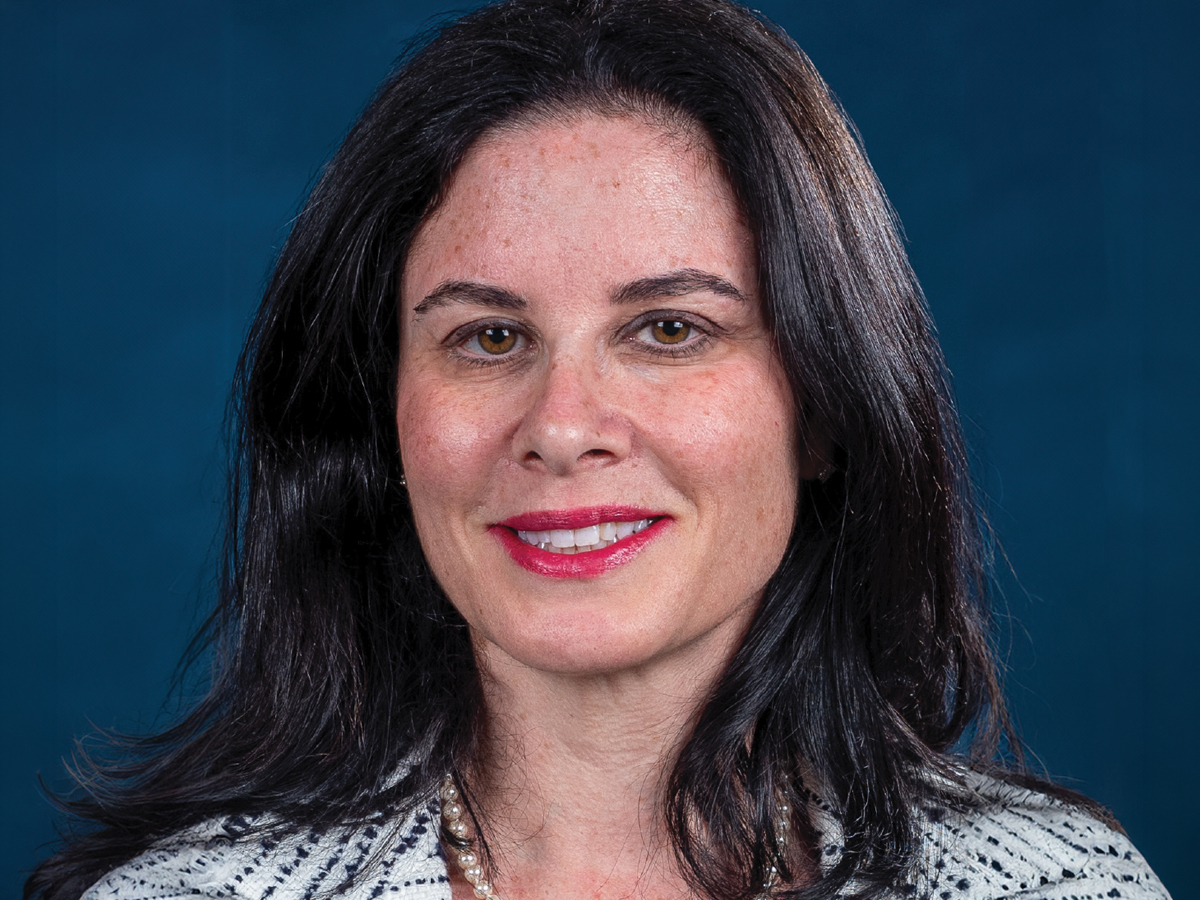
Alissa Brotman, DO, RPVI, FACOS
A patient who feels comfortable walking again. A leg that no longer aches. The confidence to wear something that had stayed in the closet. For Alissa Brotman, vascular surgeon at Rowan Medicine, the impact of treating varicose veins reaches beyond the procedure itself.
“One particularly young patient came in with significant varicose veins,” she says. “She had been trying to lose weight for a long time. After I treated her veins, she said she felt lighter and started walking a lot – she went on to lose about 80 pounds. She felt good, she looked good, and she told me how much treating her legs had changed the way she felt about herself. It led to other happy moments for her, too.”
“There wasn’t really a path showing what it could look like to be a woman in vascular surgery. I had to create that for myself.”
When Brotman was training, she was usually the only woman in the room. She had few examples of what a career like hers could look like. Today, she has built an academic venous center and a practice shaped by both surgical precision and an artist’s eye. Her work helps patients feel better on their feet and more comfortable in their own skin.
“I trained at a time when there were very few women in surgery,” she says. “I was generally the only woman in the room. Only 6% of vascular surgeons nationwide were women when I was training and when I graduated, so there were very few female mentors. There wasn’t really a path showing what it could look like to be a woman in vascular surgery. I had to create that for myself.”
In medical school, Brotman found that vascular surgery offered both the careful work of open procedures and a growing range of minimally invasive techniques. At Rowan, she developed an academic venous center accredited for its laboratory and venous surgical center.
Today, she focuses primarily on varicose veins, a specialty she found partly because patients kept asking whether she treated them. Their responses after treatment gave her a reason to keep doing it.
“Patients are so happy afterward,” says Brotman. “You can make a real impact on how their legs feel and look. It’s a medical and cosmetic result all in one. People feel like they can run or work out more, and they’re less embarrassed about how their legs look. It’s just a good sweet spot.”
That combination of medical care and appearance calls for close attention to what each patient wants. She says the conversation comes before any decision about treatment.
“You have to sit down and understand what the patient is telling you before you speak,” she says. “You need to understand their problem and what they want to accomplish. Then you can determine whether to address it surgically or nonsurgically. But first, you have to listen to the patient.”
Once she understands a patient’s goals, her technical skill and artistic judgment work together. Ultrasound helps her find the source of a varicose vein. Deciding how to treat any remaining veins takes an eye for detail, especially when the result matters to someone’s health and appearance.
Her team performs procedures in an office suite, with a board-certified ultrasound sonographer and a medical assistant helping patients through their visits. Treatment is generally elective, she says, and the procedures typically take less than an hour. Patients can walk in and out, wear compression socks for several days, and return to their day.
“The goal is a leg that looks as good as it feels,” she says.