


Gratitude in Action
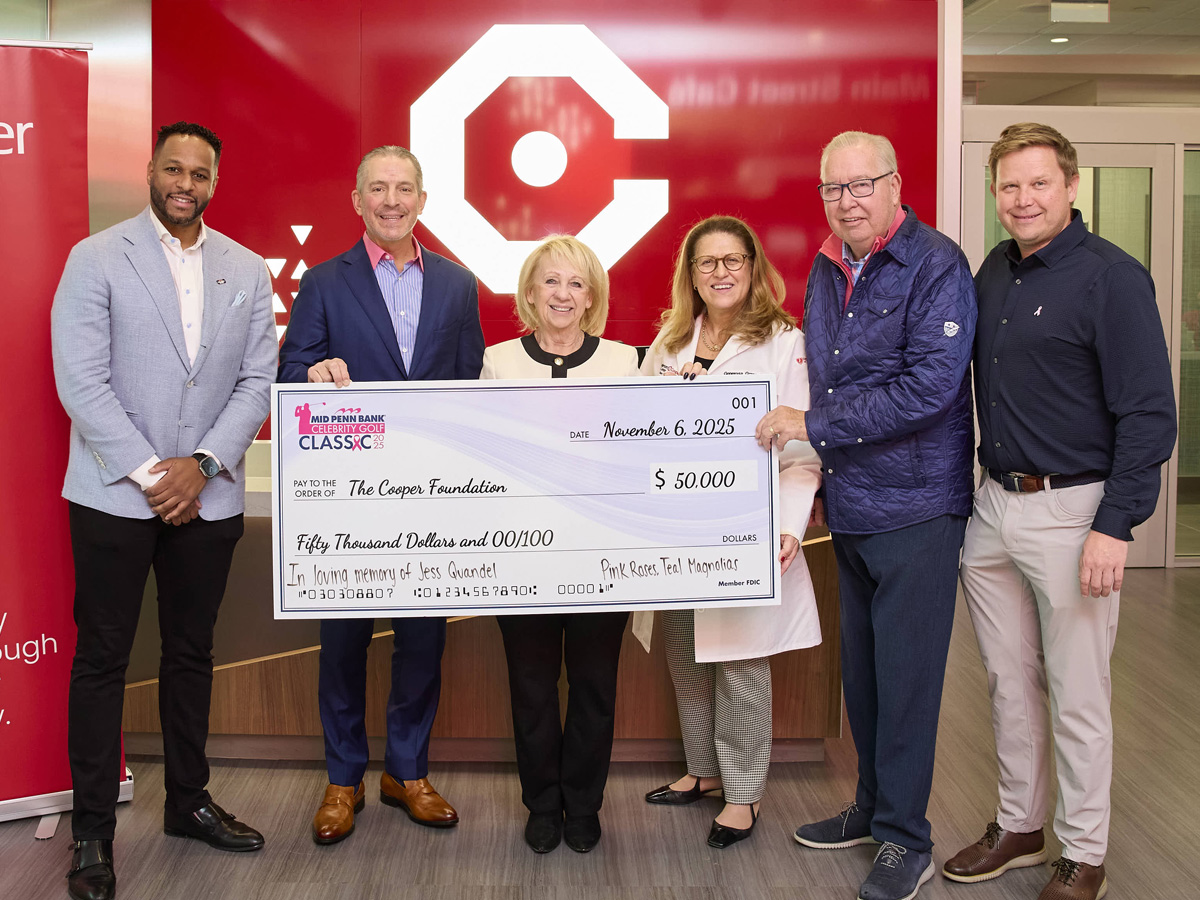
In today’s healthcare environment, hospitals face growing challenges from every direction. Rising costs, increasing demand for services and ongoing workforce pressures have made it more difficult than ever to meet the needs of patients and communities. At The Cooper Foundation, philanthropy has become a vital part of the solution, helping transform gratitude into meaningful action.
“Healthcare serves everybody in their most vulnerable moments, and it also helps keep everyone healthy so they can enjoy their best moments,” says Lisa Morina, senior vice president and chief philanthropy officer at Cooper Foundation. “It’s both treatment and prevention, which makes philanthropy important.”
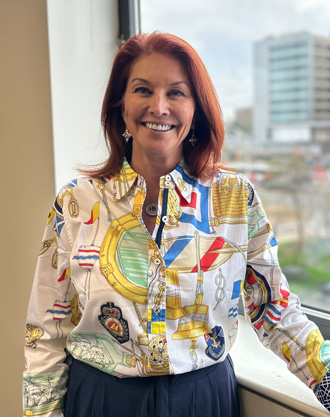
Lisa Morina
That support helps fund programs that traditional healthcare reimbursement often cannot cover. It supports community outreach, workforce development, education, screenings and innovative services that improve lives before a patient ever walks through a hospital door.
“It may seem counterintuitive,” she says. “We’re focused on helping people stay well, while also being there in the critical moments when they need care most. Prevention and treatment go hand in hand in how we serve our community.”
For many donors, the desire to give back begins with a personal experience. Patients and families who receive exceptional care often want to ensure others have access to the same support.
“When families face sickness, illness, tragedy, or other challenges, they’re often forever grateful for the care they receive, regardless of the outcome,” says Morina. And they want to give back to other families in the same position.”
“There are many needs in our community that people don’t always talk about, but they’re very real. Our job is to serve as a bridge between those needs and those willing to support them.”
That gratitude fuels a wide range of initiatives. Donors help fund scholarships, employee education, research programs and workforce development opportunities that strengthen Cooper’s ability to care for the community and their staff.
Recent investments have supported growth at Cooper’s Health Sciences Campus, expansion into new communities and enhanced specialty services closer to where patients live.
Sometimes the impact of giving is measured through major initiatives. Other times, it is found in deeply human moments that stay with families forever. One story Morina recalls involved a loved one visiting a patient in Cooper’s trauma intensive care unit. During the visit, the family member witnessed a nurse quietly brushing the patient’s hair. Those moments, she says, often inspire people to support Cooper’s mission.
“Healthcare is about more than treatment,” she says. “It’s about dignity, compassion and human connection. Those are the moments that stay with people.”
The Foundation supports community initiatives that address needs beyond clinical care. Through programs such as Pink & Teal, donor dollars help fund women’s health screenings and imaging services, improving access to early detection and lifesaving care. Philanthropy also helps connect families to resources that can improve everyday health and well-being.
“That might mean teaching people how to use a defibrillator at a senior center or church,” she says. “Or providing medical equipment such as walkers or canes to people who can’t afford them.”
“There are many needs in our community that people don’t always talk about, but they’re very real,” says Morina. “Our job is to serve as a bridge between those needs and those willing to support them.”
Philanthropic support has helped advance programs such as South Jersey’s only bone marrow transplant program.
“Philanthropy isn’t just about supporting today’s needs – it’s also about investing in the programs and technologies that will improve care for future patients,” says Morina. “Every act of generosity is valued. Whether a contribution is large or small, it helps move our mission forward.

foundation.cooperhealth.org
856-342-2222