


Girl Scouts calls on South Jersey to champion girls
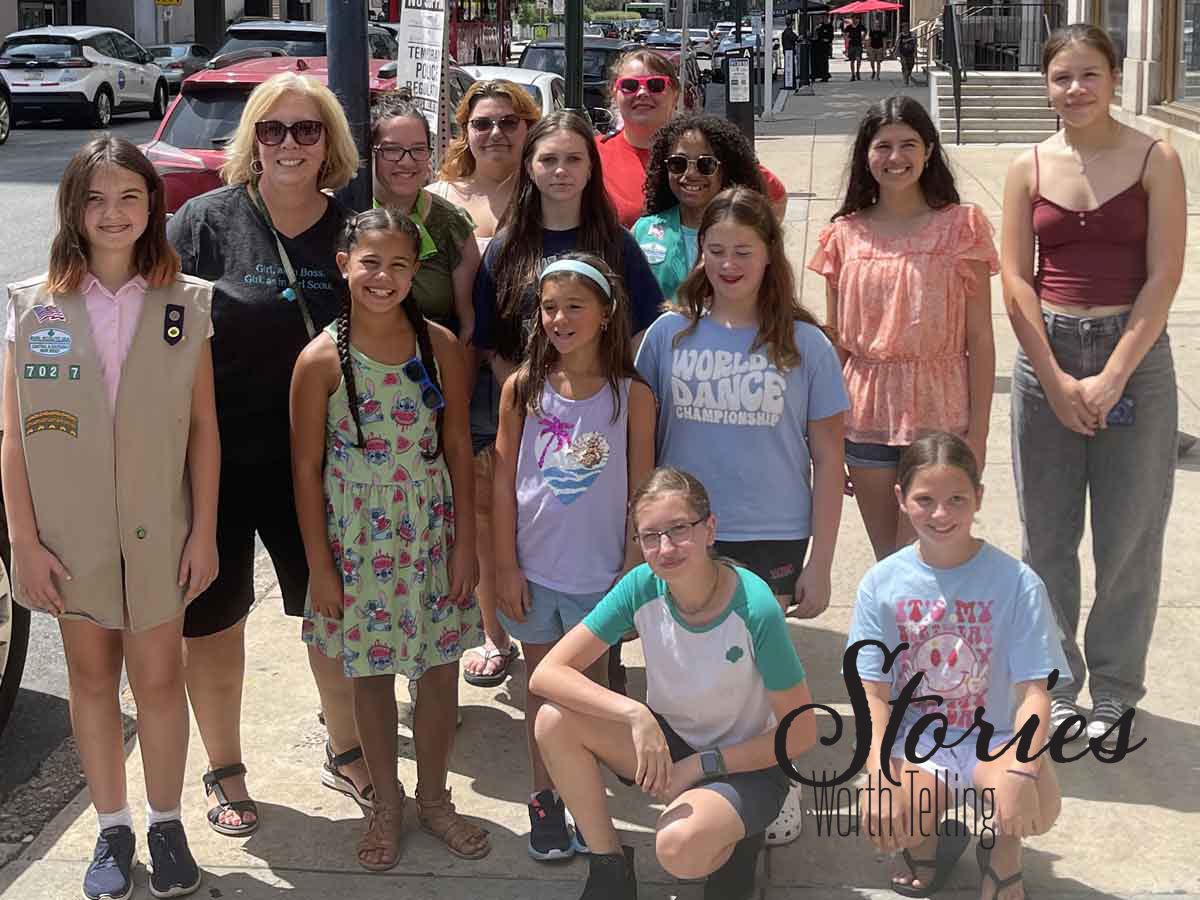
South Jersey’s adults – employers, volunteers, donors and mentors – may hold one of the most powerful tools for improving the lives of girls: Showing up.
The adults who encourage girls to try, lead and take risks often shape how they see themselves, says Ginny Hill, CEO of Girl Scouts of Central & Southern New Jersey.
But for many girls, that presence in their lives just doesn’t exist.
Nearly 1 in 5 New Jersey girls say they lack a trusted mentor, according to Her Future in Focus: The New Jersey Girl Report, a new statewide study commissioned by the Girl Scouts of New Jersey.
Nearly 1 in 5 New Jersey girls say they lack a trusted mentor, according to Her Future in Focus: The New Jersey Girl Report, a new statewide study commissioned by the Girl Scouts of New Jersey.
“That absence can shape their confidence, resilience and opportunities for years to come,” Hill says. “This report is a call to action.”
Drawing on statewide data, the study examines girls’ well-being across physical health, emotional wellness, social connection and life readiness. Its findings reveal both promise and concern, Hill says.
Girls in New Jersey outperform academically, take on more advanced courses and graduate high school and enroll in college at higher rates. Yet they are experiencing rising levels of anxiety and depression, facing intense social pressures online and reporting higher rates of substance use and other emotional and behavioral challenges, according to the report.
“This generation of girls is capable, digitally fluent and academically strong,” Hill says. “But they cannot navigate cyber pressure, workforce shifts and mental health strain alone. South Jersey’s adults must step into the story.”
The data also highlights a troubling disconnect: While 45% of young men declare science or engineering majors, only 31% of young women do, even as the nation faces a shortage of 1.4 million workers in those fields.
Girls begin forming beliefs about whether science and math are for them by 3rd grade, making early exposure especially important, Hill says.
Girl Scouts creates those early opportunities through hands-on STEM activities that lead to badges in robotics, coding and engineering.
According to the report, 75% of Girl Scouts who participate in STEM activities say they want to continue studying those subjects, and 63% of Girl Scout teens involved in STEM say they want to pursue a STEM-related career – compared with just 9% of non-Girl Scouts.
But activities alone aren’t enough. Girls thrive when several trusted adults are guiding them across different parts of their lives, Hill notes.
That’s where the Girl Scout model stands out: More than 85% of girls say their troop leader is a champion for their success.
Sometimes the impact can be life changing. One girl described how, during the pandemic, her mental health sagged to its lowest point. Amid stress at home and mounting pressures at school, she said Girl Scouts became the place where she felt supported – and that her troop leader may have saved her life, according to the report.
The Her Future in Focus report also points to ways communities can expand that network of support.
Businesses can expand mentorship and STEM opportunities through partnerships with the Girl Scouts. These programs are preparing the next generation of workers. Community organizations can also become allies leveraging spaces where girls build skills and confidence. Philanthropic support can ensure transportation and program costs are not barriers for girls in underserved neighborhoods, Hill says.
“We want people to download the report, read the information and really think about the girls in their lives,” Hill says. “We are on a mission to grow the network of girl champions in communities statewide, and South Jersey has the opportunity to lead the way.”